


Preschool helps children prepare for kindergarten by giving them steady practice with routines, early learning, independence, and social skills. The goal is not to rush children into academics. It is to help them feel comfortable in a classroom, follow daily expectations, and build confidence before the next stage.
For many parents, kindergarten readiness brings up practical questions. Can my child sit for group time? Will they follow directions? Are they ready to recognize letters and numbers? Can they communicate needs, share with classmates, and move through the day with more independence?
At Park Cities Day School, our Pre-School program supports children ages 4 to 5 through traditional teaching, Montessori methods, creative activities, and early learning skills.
Preschool gives children time to practice the skills they will use later in kindergarten. These skills grow through daily routines, guided lessons, classroom play, and patient teacher support.
Why Kindergarten Readiness Starts Before Kindergarten
Kindergarten readiness starts before kindergarten because children need time to practice classroom habits, social skills, and early learning in a steady environment. Readiness is not only about knowing letters or counting numbers.
A child may know the alphabet but still need help waiting, listening, cleaning up, or moving from one activity to another. Another child may be socially confident but still need practice with early writing, number recognition, or structured group learning.
Preschool helps bring these skills together. Children learn how to take part in a classroom while still having time for play, movement, creativity, and rest.
Some of the most useful readiness skills include:
- Following simple directions
- Joining group activities
- Recognizing letters and numbers
- Practicing early writing
- Using words to express needs
- Taking turns
- Managing transitions
- Building independence
- Participating in creative activities
- Playing safely with other children
These skills do not appear overnight. They grow through practice, encouragement, and repetition.
How Preschool Builds Early Learning Skills
Preschool builds early learning skills by introducing children to language, math, writing, science, social studies, and hands-on activities in age-appropriate ways. Children begin learning how to connect ideas, notice patterns, and use words with more confidence.
In preschool, early academics should feel active and approachable. Children may work on letter recognition, number recognition, pre-math skills, early writing, story sessions, and teacher-guided lessons. They may also explore classroom centers that encourage learning through play.
Early learning can include:
- Recognizing letters
- Recognizing numbers
- Practicing early writing
- Listening to stories
- Building vocabulary
- Counting objects
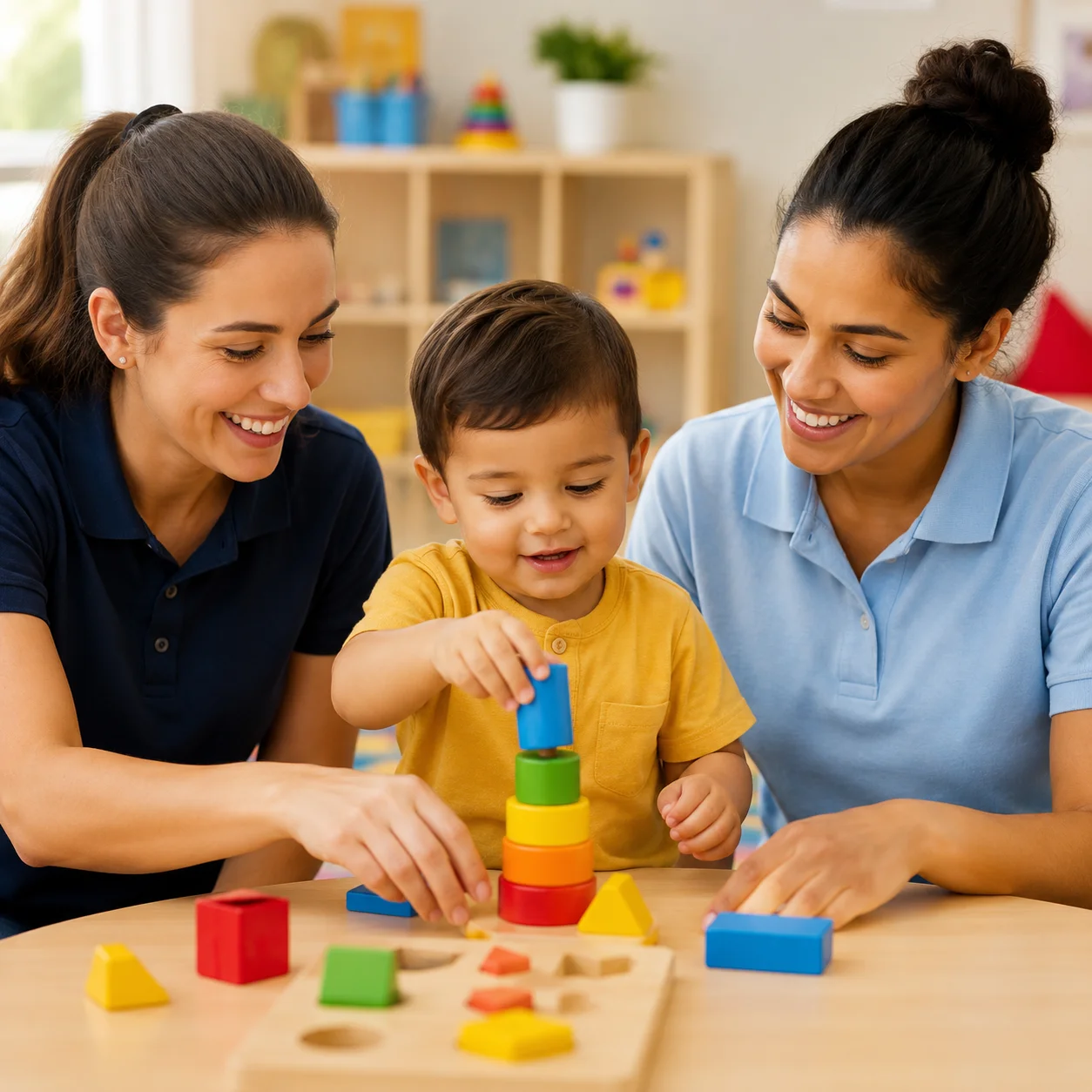
- Sorting by color, size, or shape
- Exploring simple science ideas
- Learning about the world around them
- Practicing classroom language
These activities help children become more comfortable with the types of learning they will see in kindergarten. The goal is not pressure. The goal is steady exposure and meaningful practice.
How Preschool Routines Help Children Adjust
Preschool routines help children understand what comes next, which can make the classroom feel more predictable. This matters because kindergarten includes daily structure, group expectations, and regular transitions.
A preschool day may include arrival, circle time, learning activities, classroom centers, outdoor play, meals, rest, and pickup. When children practice these patterns, they begin to understand how a school day works.
Routines can help children:
- Settle into the classroom
- Listen during group time
- Move between activities
- Clean up materials
- Wait for a turn
- Follow teacher directions
- Sit for stories or lessons
- Prepare for meals, rest, and outdoor play
For some children, transitions are easy. For others, moving from one part of the day to another takes practice. Preschool gives children repeated chances to build that comfort before kindergarten.
How Circle Time and Group Learning Prepare Children
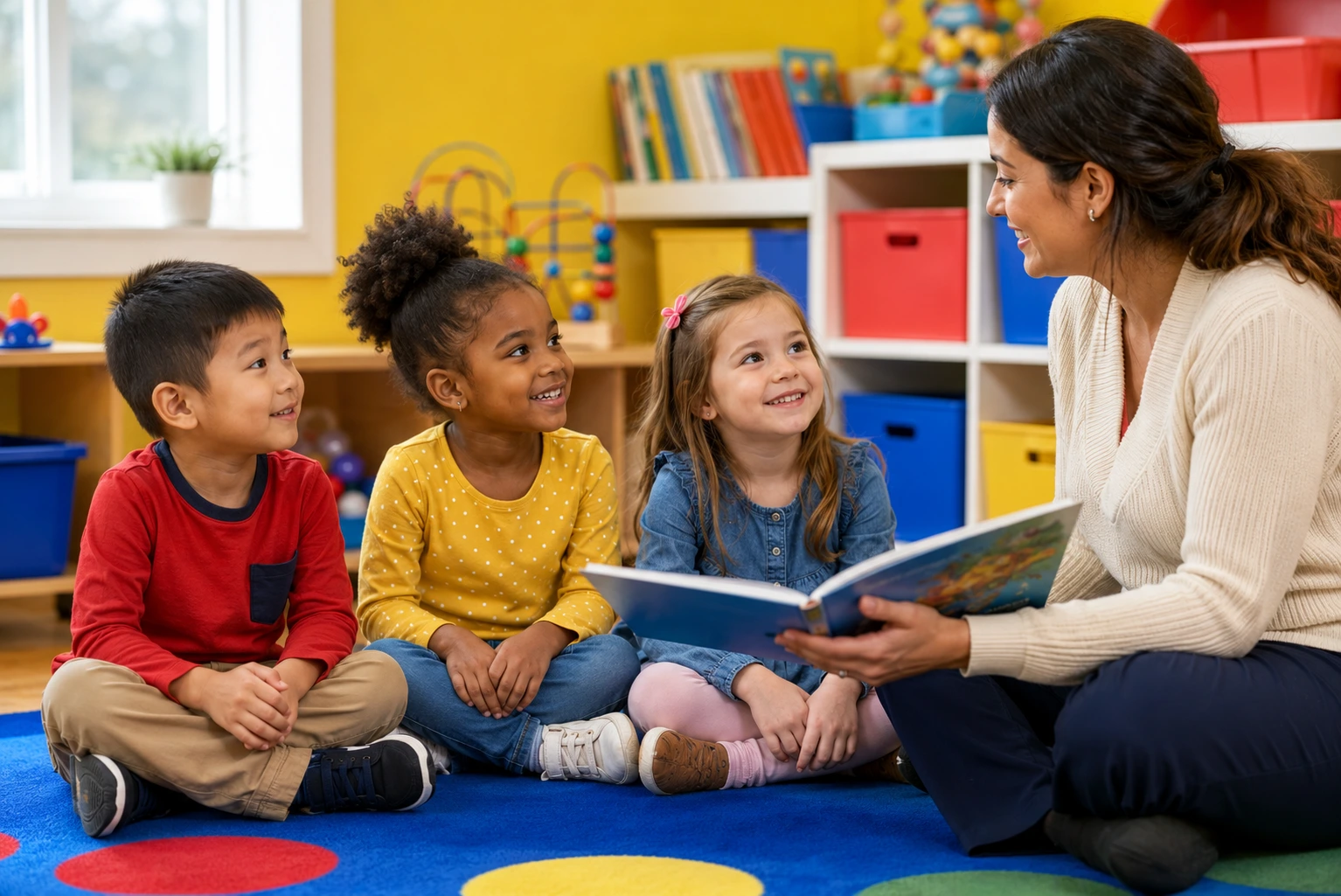
Circle time and group learning help children practice listening, participating, and following shared classroom expectations. These are important kindergarten readiness skills because children will spend more time in group settings as they grow.
During circle time, children may listen to stories, sing songs, review the calendar, talk about the weather, practice letters or numbers, and answer simple questions. These moments help children learn how to focus, respond, and take part in a group.
Group learning can support:
- Listening skills
- Attention span
- Turn-taking
- Vocabulary
- Following directions
- Confidence speaking in a group
- Awareness of classroom expectations
Not every child participates the same way at first. Some children answer questions quickly. Others watch, listen, and join when they feel ready. Both are part of the learning process.
Preschool gives children time to become more comfortable in these shared routines.
How Preschool Encourages Independence
Preschool encourages independence by giving children safe opportunities to try small tasks on their own. These daily moments help children build confidence and prepare for kindergarten expectations.
Independence for preschoolers can look simple. It may include putting away materials, washing hands, choosing an activity, carrying belongings, cleaning up after play, or trying a task before asking for help.
Practical life skills are an important part of this stage because children are learning how to care for themselves and participate in the classroom community.
Preschool can support independence through:
- Choosing classroom centers
- Practicing cleanup
- Managing simple belongings
- Washing hands
- Helping with classroom routines
- Trying art or writing tasks
- Following multi-step directions
- Asking for help when needed
Children still need guidance. Independence does not mean expecting them to do everything alone. It means giving them patient support while they practice what they are ready to learn.
How Preschool Supports Social and Emotional Growth
Preschool supports social and emotional growth by helping children practice sharing, taking turns, communicating needs, and handling classroom situations with guidance. These skills are just as important as early academics.
Kindergarten often brings more group activity, more peer interaction, and more independence. Children benefit from learning how to play near others, solve small problems, use words, and manage feelings with adult support.
In preschool, children may practice:
- Sharing classroom materials
- Taking turns
- Asking for help
- Using words to express feelings
- Listening to classmates
- Joining group play
- Handling disappointment
- Moving through transitions
- Building confidence with teachers and peers
Preschool gives children a safe place to work through these moments. A child may not always get it right the first time. That is expected. With steady guidance, children learn how to try again.
How Montessori Methods Support Different Learning Styles
Montessori methods can support children by giving them hands-on learning opportunities and room to progress at their own pace. This is helpful because children do not all learn the same way or at the same speed.
Some children learn best by touching and moving materials. Others learn through stories, songs, repetition, art, or teacher-guided lessons. A preschool environment that recognizes different learning styles can help children feel more comfortable and engaged.
Montessori-inspired learning may support:
- Practical life skills
- Sensorial learning
- Math readiness
- Language development
- Independent exploration
- Focus and concentration
- Hands-on discovery
- Teacher guidance based on readiness
In preschool, this approach can work alongside traditional teaching. Children receive structure, but they also have opportunities to explore classroom materials and learn through direct experience.
How Play Supports Kindergarten Readiness
Play supports kindergarten readiness because children learn through movement, imagination, problem-solving, and interaction. Play is not separate from learning in early childhood. It is one of the main ways children practice new skills.
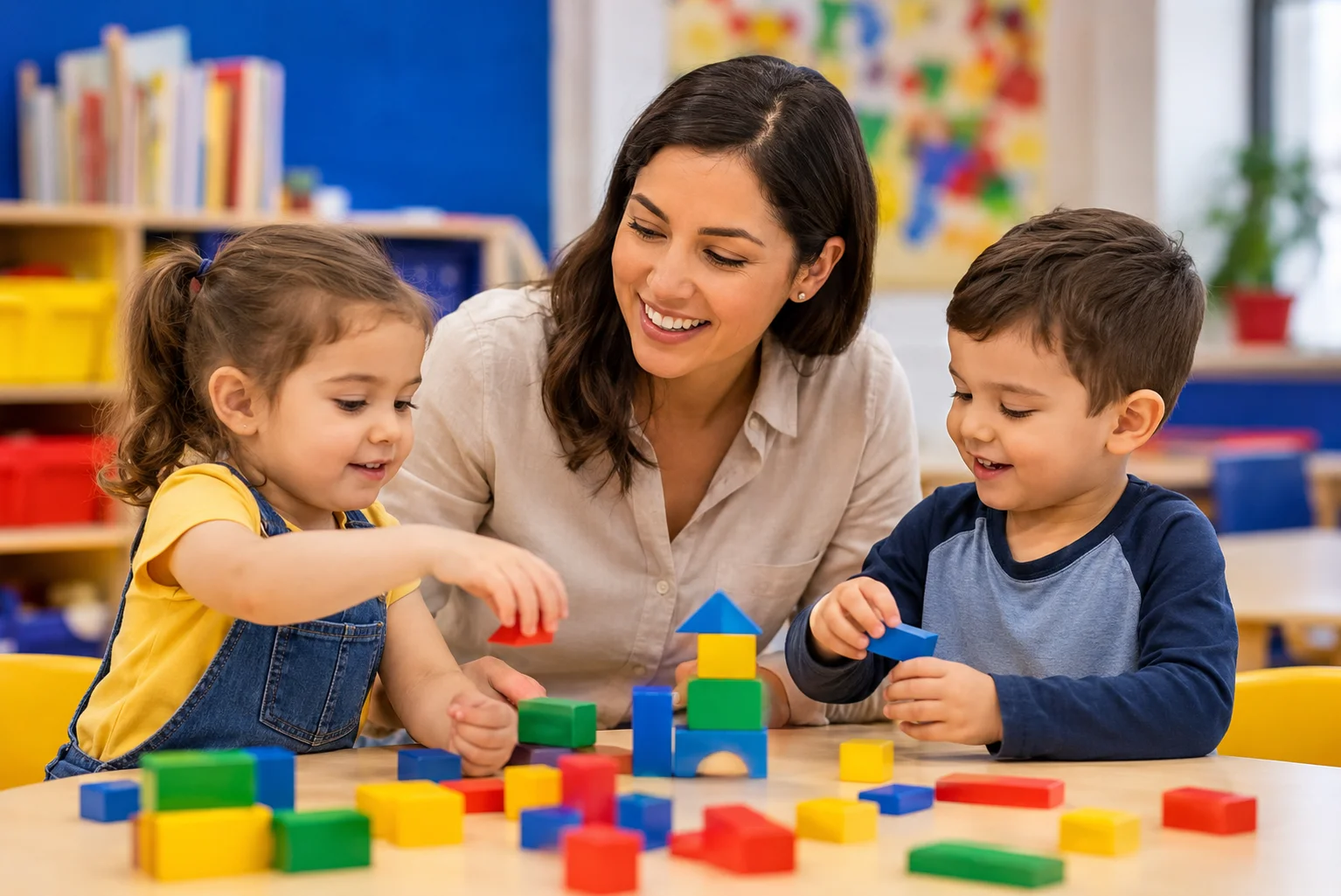
Classroom centers, learning toys, art, music, creative expression, and outdoor play all help children grow. Through play, children can practice language, coordination, sharing, counting, sorting, building, and decision-making.
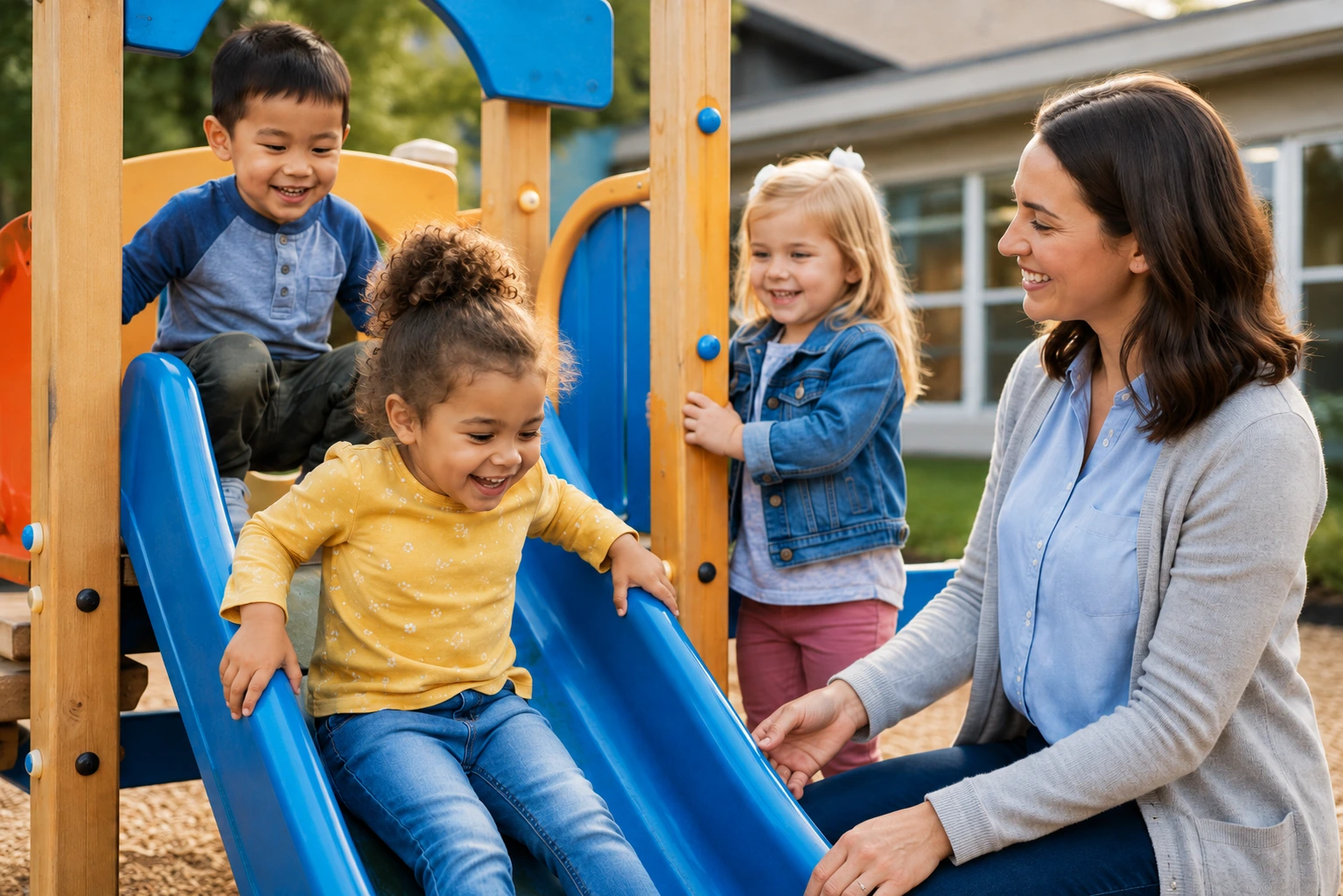
Outdoor play also matters. Running, climbing, riding bikes, and using playground equipment help children build gross motor skills, balance, confidence, and physical coordination.
Play can support:
- Language growth
- Creativity
- Social skills
- Problem-solving
- Fine motor skills
- Gross motor skills
- Confidence
- Independence
- Cooperation
Preschool skills grow through daily practice, and children can build strong foundations through early learning when routines, play, and guidance work together.
What Parents Can Look for in a Preschool Program
Parents can look for a preschool program that balances early learning, routines, play, independence, and social development. A strong preschool classroom should prepare children for kindergarten without making the experience feel rushed.
Useful things to look for include:
- Age-appropriate curriculum
- Letter and number recognition
- Early writing practice
- Pre-math activities
- Story sessions
- Circle time
- Creative arts and music
- Outdoor play
- Social-emotional support
- Practical life skills
- Teacher guidance
- Parent communication
For many parents, preschool readiness is one of the things to consider before choosing childcare and early education programs.
A good preschool program should help parents understand what their child will practice each day, how progress is supported, and how teachers help children move toward the next stage.
How Preschool Helps Children Feel More Confident
Preschool helps children feel more confident by giving them repeated chances to practice skills in a caring classroom. Confidence grows when children know what to expect and feel supported while trying new things.
A child may gain confidence by answering during circle time, completing an art project, recognizing a letter, counting objects, climbing on the playground, helping with cleanup, or using words to solve a problem.
These moments may seem small, but they build trust in the child’s own ability.
At Park Cities Day School, we have served Dallas families for more than 30 years, and we understand how meaningful this stage can be for parents and children.
Kindergarten is a big step, but preschool can make that step feel more familiar. Children learn how to be part of a classroom, follow routines, build friendships, and approach learning with more comfort.
FAQs About Preschool and Kindergarten Readiness
What should my child know before kindergarten?
Children benefit from practicing letters, numbers, early writing, listening, following directions, sharing, taking turns, and basic independence. They do not need to master everything before kindergarten, but steady practice helps.
How does preschool help with social skills?
Preschool gives children daily chances to play with classmates, use words, share materials, join group activities, and handle transitions with teacher support.
Is preschool only about academics?
No. Preschool includes early learning, but it also supports independence, routines, movement, creativity, social skills, and emotional growth.
How do I know if my child is ready for preschool?
Readiness can include interest in learning, growing independence, ability to join simple routines, and comfort with short group activities. If you are unsure, speaking with the school can help you understand the right next step.
Conclusion
Preschool helps children prepare for kindergarten by giving them time to practice routines, early academics, independence, social skills, and classroom confidence. The strongest preparation happens through steady daily experiences that match a child’s age and readiness.
At Park Cities Day School, we help children build the skills they need for the next stage through caring support, structured learning, and creative classroom experiences. If you are thinking about preschool readiness, you can schedule a tour to see how our classroom routines, learning activities, and daily care may fit your child.
Leave a Reply